
Restricted Comprehensive Stool Pathogen Multiplex PCR Panel-16175
Test info
E.coli O157:H7
Enteropathogenic E. coli
Norovirus
Rotavirus
Salmonella
Shigatoxin
STEC
EIEC
EAEC
EPEC
ETEC
Plesiomonas chloera
Cryptosporidium
Cyclospora
Giardia
Entamoeba
Shigella
Vibrio
Yersinia enterocolitic
- Campylobacter
- Enteroaggregative E. coli (EAEC)
- Enteropathogenic E. coli (EPEC)
- Enterotoxigenic E. coli (ETEC)
- Plesiomonas shigelloides
- Salmonella
- Shiga-like toxin-producing E. coli (STEC) stx1/stx2
- E. coli O157 only reports when STEC is detected
- Shigella/Enteroinvasive E. coli (EIEC)
- Vibrio
- Vibrio cholerae only reports when Vibrio is detected
- Yersinia enterocolitica
- Cryptosporidium
- Cyclospora
- Entamoeba histolytica
- Giardia
- Adenovirus F 40/41
- Astrovirus
- Norovirus GI/GII
- Rotavirus A
- Sapovirus (Genogroups I, II, IV, and V)
Restricted Comprehensive Stool Pathogen Multiplex PCR Panel test is intended for patients with diarrhea lasting >=7 or for patients whom detection of viral or less common agents may be important for patient management.
Test is a qualitative detection and identification of nucleic acids from multiple bacteria, parasites, and viruses directly from stool samples in transport media obtained from individuals with signs and/or symptoms of gastrointestinal infection (diarrhea).
- The performance of this product has not been established for the screening of stool for stool transplants.
- The performance of this test has not been established for patients without signs and symptoms of gastrointestinal illness.
- False positive and false negative results can be the result of a variety of sources and causes, it is important that these results be used in conjunction with other clinical, epidemiological, or laboratory information. There is a risk of false negative results due to the presence of sequence variants in the gene targets of the assay, procedural errors, amplification inhibitors in specimens, or inadequate numbers of organisms for amplification.
- Virus, bacteria, and parasite nucleic acid may persist in vivo independently of organism viability. Additionally, some organisms may be carried asymptomatically. Detection of organism targets does not imply that the corresponding organisms are infectious or are the causative agents for clinical symptoms.
- The identification of several diarrheagenic E. coli pathotypes has historically relied upon phenotypic characteristics, such as adherence patterns or toxigenicity in certain tissue culture cell lines. The panel targets genetic determinants characteristic of most pathogenic strains of these organisms but may not detect all strains having phenotypic characteristics of a pathotype.
- Target genes associated with the diarrheagenic E. coli/Shigella pathotypes are capable of horizontal transfer between strains, thus Detected results for multiple diarrheagenic E. coli/Shigella may be due to co-infection with multiple pathotypes or, less frequently, may be due to the presence of a single organism containing genes characteristic of multiple pathotypes.
- Shigella dysenteriae possess a shiga toxin gene (stx) that is identical to the stx1 gene of STEC. The detection of both Shigella/Enteroinvasive E. coli (EIEC) and STEC stx1/stx2 analytes in the same specimen may indicate the presence of S. dysenteriae. Rare instances of the detection of shiga-like toxin genes in other genera/species have been reported; e.g., Aeromonas caviae, Acinetobacter haemolyticus, Shigella sonnei, Enterobacter cloacae, Citrobacter freundii, and Klebsiella pneumoniae.
- This test only detects Campylobacter jejuni, C. coli and C. upsaliensis and does not differentiate between these three species of Campylobacter.
- Transport medium may contain non-viable organisms and/or nucleic acid at levels that can be detected by the panel.
- Empirical testing and in silico sequence analysis indicate that the Vibrio assay (V. parahaemolyticus/V. vulnificus /V. cholerae) may react with some less common Vibrio species (i.e., V. alginolyticus, V. fluvialis, and V. mimicus) but it is not expected to detect the rarer Vibrio cincinnatiensis, Vibrio furnissii, and Vibrio metschnikovii (Note: Vibrio spp. not associated with human disease were not evaluated).
Specimen
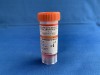
- Transfer specimen to a stool transport media/vial - Culture and sensitivity (C&S) vial using the built-in spoon within 2 hours of collection.
- Mix well.
- Refrigerate.
Stool transport media/vial - Culture and sensitivity (C&S)
PROTOCOL™ Cary Blair
Refrigerated (preferred) - up to 4 days
Ambient – Acceptable but not preferred up to 4 days
- Obviously overfilled or underfilled transport vials.
- Overfilled vials do not adequately buffer and preserve the specimens prior to testing.
- Underfilled vials may result in dilution of the target nucleic acids resulting in a false negative.
- Formed stool
- Stool not placed in transport media within 2 hours of collection.
- Stool in transport media other than Cary-Blair or Para-Pak C&S.
- Specimens not received and tested within 4 days.
- Frozen specimens
Performance
Polymerase Chain Reaction (PCR)
Clinical and Interpretive info
Negative/Not detected
Shiga-like toxin-producing E. coli (STEC)
Vibrio
Specimens positive for Shigella/Enteroinvasive E. coli (EIEC) are reflexed to a Stool Culture.